Decks Built for Montana's Year-Round Weather
Deck Building and Installation in Missoula for homeowners with failing surfaces, inadequate outdoor structures, or properties without functional outdoor living space
Rotting boards, unstable railings, and footings that have shifted through freeze-thaw cycles are the visible signs that a deck has reached the end of its serviceable life—or was never built to handle Montana's climate in the first place. DML Construction LLC constructs custom decks in Missoula using structural approaches and material selections suited to the region's temperature swings, which can exceed 100 degrees Fahrenheit between seasonal extremes. That range causes wood and fasteners to expand and contract repeatedly, and decks that aren't designed with that movement in mind develop gaps, cupping, and fastener pull-through over time.
The construction process begins below grade, where footing depth is determined by local frost depth requirements. In Missoula, footings typically need to extend below the frost line to prevent the heaving that pushes posts out of plumb and eventually destabilizes the entire frame. Once the substructure is established, decking material selection becomes the next consequential decision: pressure-treated wood requires ongoing maintenance and is susceptible to checking in dry Montana summers, while composite decking products resist moisture cycling and UV degradation but vary significantly in quality between manufacturers. The right choice depends on the deck's orientation, sun exposure, and how much ongoing maintenance the homeowner wants to commit to.
Arrange an on-site visit to review your property's layout, footing requirements, and material options before selecting a deck design.
What Proper Deck Construction Requires
Structural integrity in deck construction depends on the connection points: ledger attachment to the house, post-to-beam connections, and the fastening pattern used across the decking surface. A ledger bolted directly through siding without a proper flashing detail will admit water into the wall assembly behind it, causing rot that often isn't visible until the damage is extensive. DML Construction LLC uses flashing and connection hardware that meets or exceeds the load requirements specified in the International Residential Code as adopted in Montana, which governs both the structural members and the guardrail systems required on elevated decks.
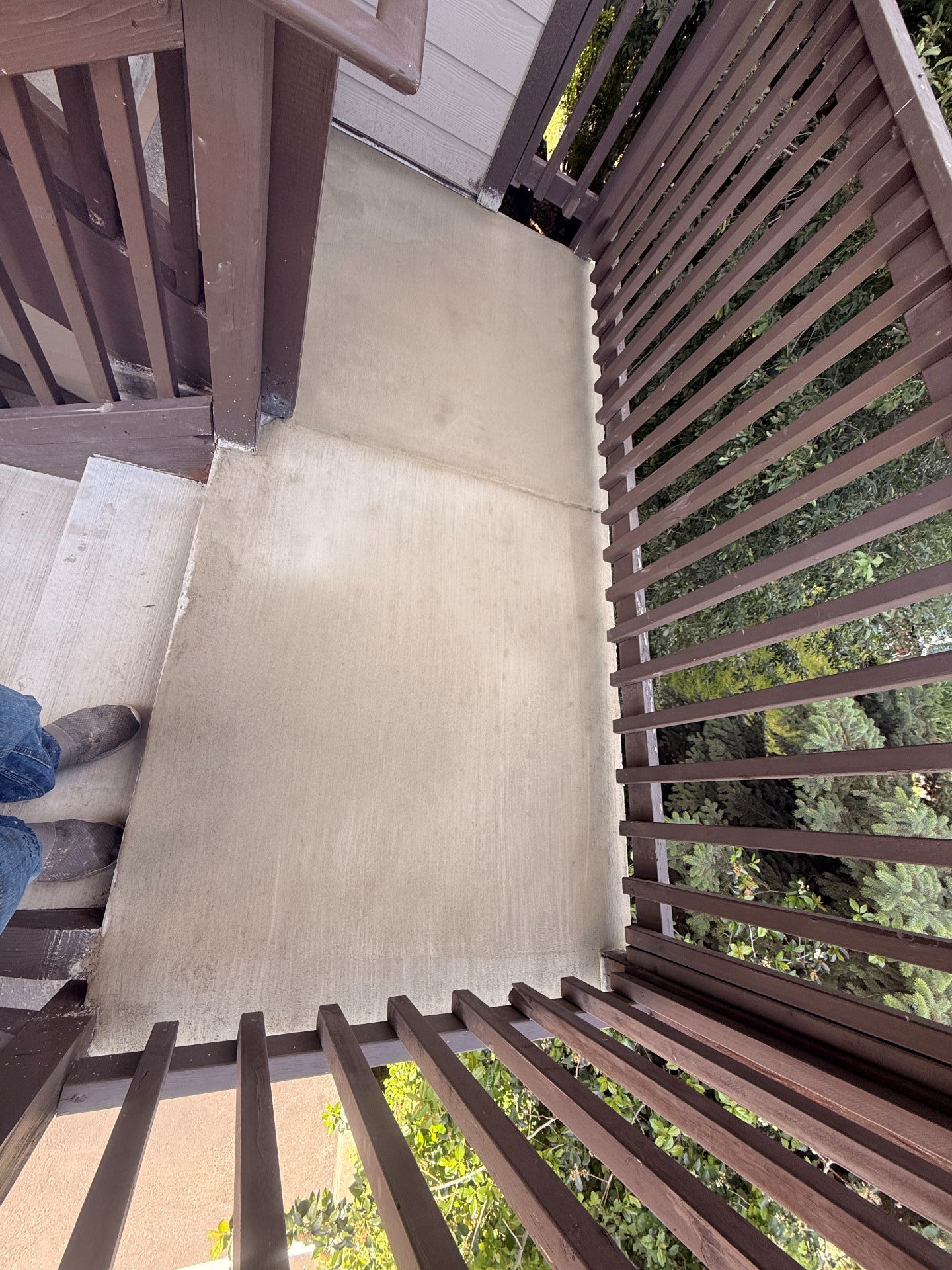
After installation, what you'll notice first is the absence of movement—a properly built deck frame doesn't flex underfoot or produce the creaking that indicates loose connections. Decking boards lie flat without cupping or crowning, fasteners sit flush rather than raised or countersunk unevenly, and railings resist lateral pressure without wobbling at the post bases. These are the observable indicators that the substructure and surface were installed with consistent attention to each fastening point rather than speed.
Custom deck projects can include upgrades like built-in seating, pergola framing, integrated stair systems, or lighting-ready post caps—each of which needs to be planned into the structural layout before framing begins rather than added afterward. Decks designed as outdoor living spaces also benefit from thinking about traffic flow between the house entry, seating areas, and yard access, which affects where stairs and gates are positioned in the overall plan.
What Property Owners Usually Ask About Decks
Deck projects in Missoula raise consistent questions about material durability, structural requirements, and what the construction process involves from start to finish. The answers below reflect the decisions that actually come up during planning and installation.
What is the difference between wood and composite decking for Montana conditions?
Pressure-treated wood costs less upfront but requires periodic sealing and is prone to checking in Missoula's dry summers, while quality composite products maintain their surface finish without annual maintenance and don't absorb the moisture that accelerates wood rot during spring snowmelt.
How deep do footings need to be for a deck in this region?
Frost depth in the Missoula area typically requires footings to extend at least 36 to 42 inches below grade to prevent heaving, though the specific requirement depends on the site's soil conditions and the local jurisdiction's adopted building code.
When should I schedule a deck project to avoid weather-related delays?
Late spring through early fall provides the most reliable construction window in Montana, as concrete footings need adequate cure time above freezing temperatures and decking installation is more consistent without frost on the substrate.
Why does ledger attachment method matter for long-term deck performance?
An improperly flashed ledger connection allows water to migrate behind the house's rim joist, causing structural rot that can compromise both the deck attachment and the home's wall framing before the damage becomes visible from the exterior.
What permits are required for deck construction in Missoula?
Most new deck construction and significant structural replacements require a building permit, and elevated decks typically require both a structural inspection of the framing and a final inspection of the guardrail system before the project is considered complete.
DML Construction LLC designs and builds decks that account for Missoula's climate demands from the footing up, ensuring the finished structure is stable, code-compliant, and suited to how the space will actually be used. Call (406) 677-1772 to discuss your outdoor living project and get specific guidance on materials and structural requirements for your property.